How AI Voice Agents Handle After-Hours Maintenance Calls
Maintenance emergencies don't wait for business hours. Here is how AI triages after-hours calls, escalates emergencies, and logs structured records — without the property manager being on call.
In this guide
- Why after-hours maintenance calls are the most common property management emergency
- Emergency vs urgent vs routine: how AI triage classification works
- What the property manager sees the next morning — structured records, not voicemails
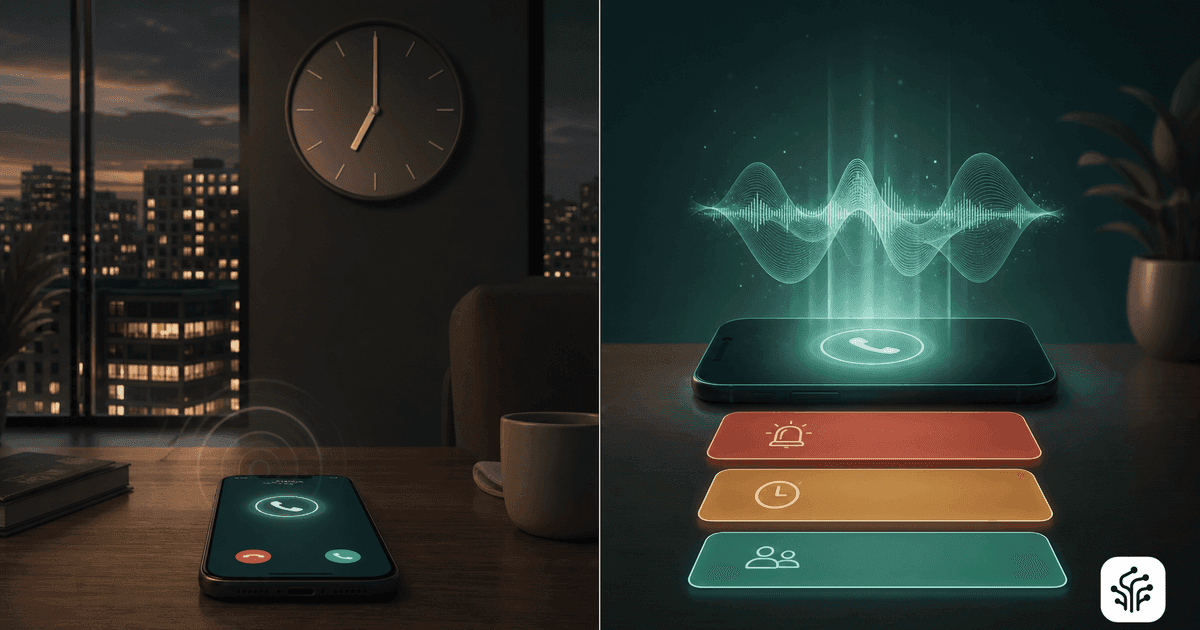
A tenant calls at seven in the evening. The hot water system has stopped working. They have tried the reset switch. They have checked the fuse box. Nothing.
The property manager is at home with their family. The call goes to voicemail.
By the time the property manager listens to the message at eight-thirty, the tenant has already called an emergency plumber. The invoice arrives the next morning. The landlord is furious. The property manager spends the next three days managing a relationship that could have been handled in five minutes.
This happens every week in Australian property management. The after-hours maintenance call is the most common emergency in the industry. It is also the easiest to automate safely.
Why maintenance calls break property management
The problem is not that property managers do not care. It is that they cannot be on call twenty-four hours a day.
Maintenance calls follow a predictable pattern. The tenant has a problem. It is after hours. They cannot reach the property manager. They either wait and follow up repeatedly, or they take action themselves.
If they wait, the problem gets worse. A small leak becomes water damage. A broken lock becomes a security risk. A hot water failure becomes an angry tenant.
If they act themselves, the property manager loses control. The landlord gets an invoice for emergency work at two times the market rate. The tenant has authorised work they were not authorised to approve. The property manager is now managing a dispute instead of a repair.
Neither outcome is good. Both happen because the call was not answered.
What an AI does with a maintenance call
The AI answers on the first ring. Evening. Weekend. Public holiday. It does not matter.
It identifies itself as the property management team's after-hours assistant. It asks how it can help.
The tenant says the hot water is gone. The AI moves into a maintenance triage path.
It asks a short series of questions designed to diagnose urgency. Is there visible water damage? Is there a safety risk? Are there young children or elderly people in the home? Has the tenant tried any troubleshooting steps?
The AI is not diagnosing the plumbing. It is triaging the urgency. This is the critical distinction.
A water leak with visible ceiling damage is an emergency. A broken dishwasher is not. A hot water failure in a home with young children is urgent. A hot water failure in a vacant property is less urgent. A broken lock on a ground-floor window is a security risk. A sticking door is not.
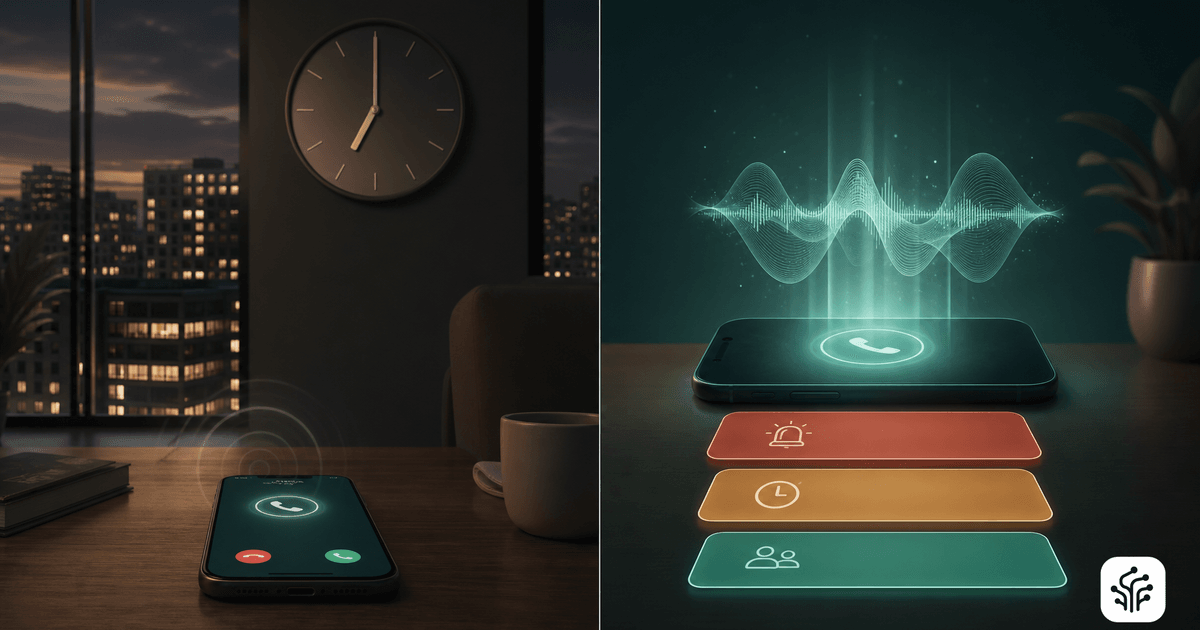
The AI classifies the issue into one of three categories. Emergency. Urgent. Routine.
Emergency calls trigger immediate escalation. The AI sends an SMS to the on-call property manager or tradie with the tenant's details, the issue description, and the triage classification. It logs the call in the property management system. It tells the tenant that someone will contact them shortly.
Urgent calls create a task for the next business day with high priority. The AI schedules a callback, logs the issue, and tells the tenant when to expect contact.
Routine calls create a standard maintenance request in the system. The AI logs the issue, provides a reference number, and tells the tenant the property manager will follow up during business hours.
The handoff to the property manager
The property manager does not wake up to a voicemail. They wake up to a structured record.
The record shows the tenant's name, the property address, the issue description, the triage classification, the time of the call, and the action taken.
If the AI escalated to an emergency tradie, the record shows who was contacted, when, and what instructions were given. If the AI logged a routine request, the record shows the reference number and the promised follow-up time.
The property manager opens the workspace. Reviews the overnight calls. Prioritises the day.
No frantic callbacks to angry tenants. No surprise invoices. No landlord complaints about slow response. Just structured records that tell the property manager exactly what happened while they were asleep.
Why guardrails matter more for maintenance
A maintenance call is not a sales call. You cannot afford for the AI to get it wrong.
If the AI over-triages and classifies a routine issue as an emergency, the on-call tradie gets called out for nothing. That costs money and damages the relationship with the tradie.
If the AI under-triages and classifies an emergency as routine, the tenant sits on a leak for twelve hours. That costs money and damages the relationship with the tenant and the landlord.
The guardrails need to be right. The triage questions must be tested against real maintenance scenarios. The escalation rules must be reviewed by an experienced property manager before going live.
DialoGrove's playbooks are tested on real call scenarios before they ship. The triage path is not built from a prompt. It is built from the collective experience of property managers who know what a real maintenance emergency looks like and what does not.
What property managers should expect
The first week of AI call handling usually surfaces issues that were invisible before.
Calls that were going to voicemail and being ignored are now visible. The property manager can see how many after-hours calls came in, what they were about, and how they were handled.
The second week, the team adjusts. The triage thresholds get tuned. The escalation contacts get updated. The routine maintenance process gets tighter because the intake is consistent.
By the end of the first month, the property manager has a clear picture of their after-hours call volume and a system for handling it that does not depend on anyone being awake.
That is the difference between being on call and having a system.
How to get started
DialoGrove's property management maintenance triage playbook is ready to test. It captures the issue, classifies urgency, escalates emergencies, and logs everything into a structured record.
The playbook needs a property manager to review the triage rules and confirm the escalation contacts. After that, it is a phone number divert and a test call away from going live.
After-hours maintenance calls are part of the property management layer in a broader real estate AI voice workflow.
If you manage rental properties and spend your evenings returning maintenance voicemails, this is the workflow that changes that.