When AI Lead Reactivation Calls Work Best
How to design ai lead reactivation calls that recover pipeline value from stale lists with consistent qualification, structured outcomes, and clear next actions.
A stale lead list usually looks harmless until you count what is sitting inside it. Old web enquiries, missed callbacks, leads marked "follow up later", and contacts from campaigns that never got a proper second call. For many teams, ai lead reactivation calls are not about chasing dead records. They are about working through real pipeline value that manual follow-up never reached.
That only works if the calls are designed properly. Reactivation is not the same as cold outreach, and it is not the same as an inbound speed-to-lead workflow either. The contact may remember your business, may have already spoken to someone, or may have moved on months ago. The job of the call is to establish context quickly, gauge present intent, capture useful signals, and route the lead into a sensible next step.
Why ai lead reactivation calls are different
Reactivation sits in an awkward operational gap. The lead is not new enough for urgent first-response treatment, but not closed enough to ignore. Sales teams often treat these records as a low-priority clean-up task, which means they get worked inconsistently. One rep leaves detailed notes, another leaves none, and a third never gets to the list at all.
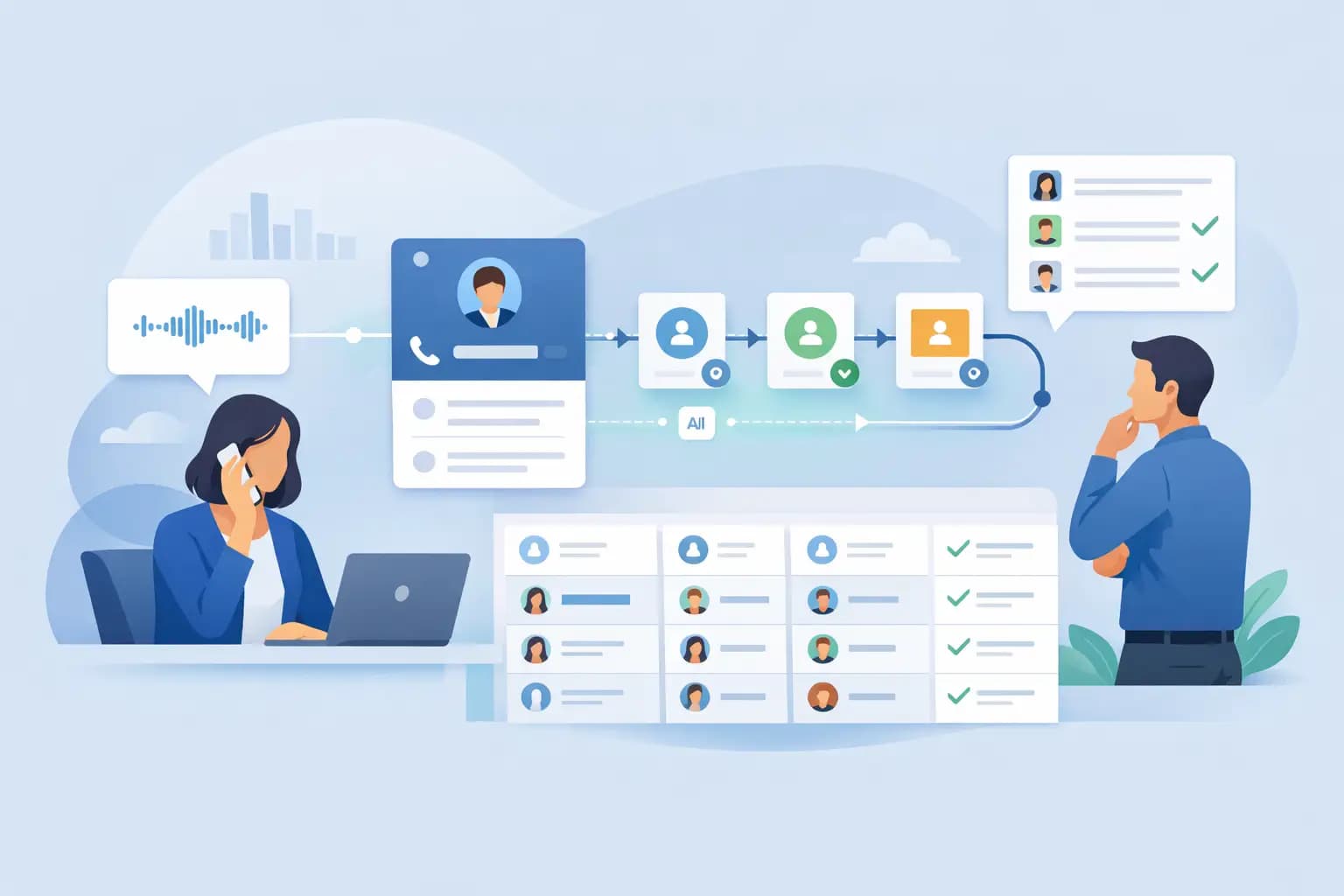
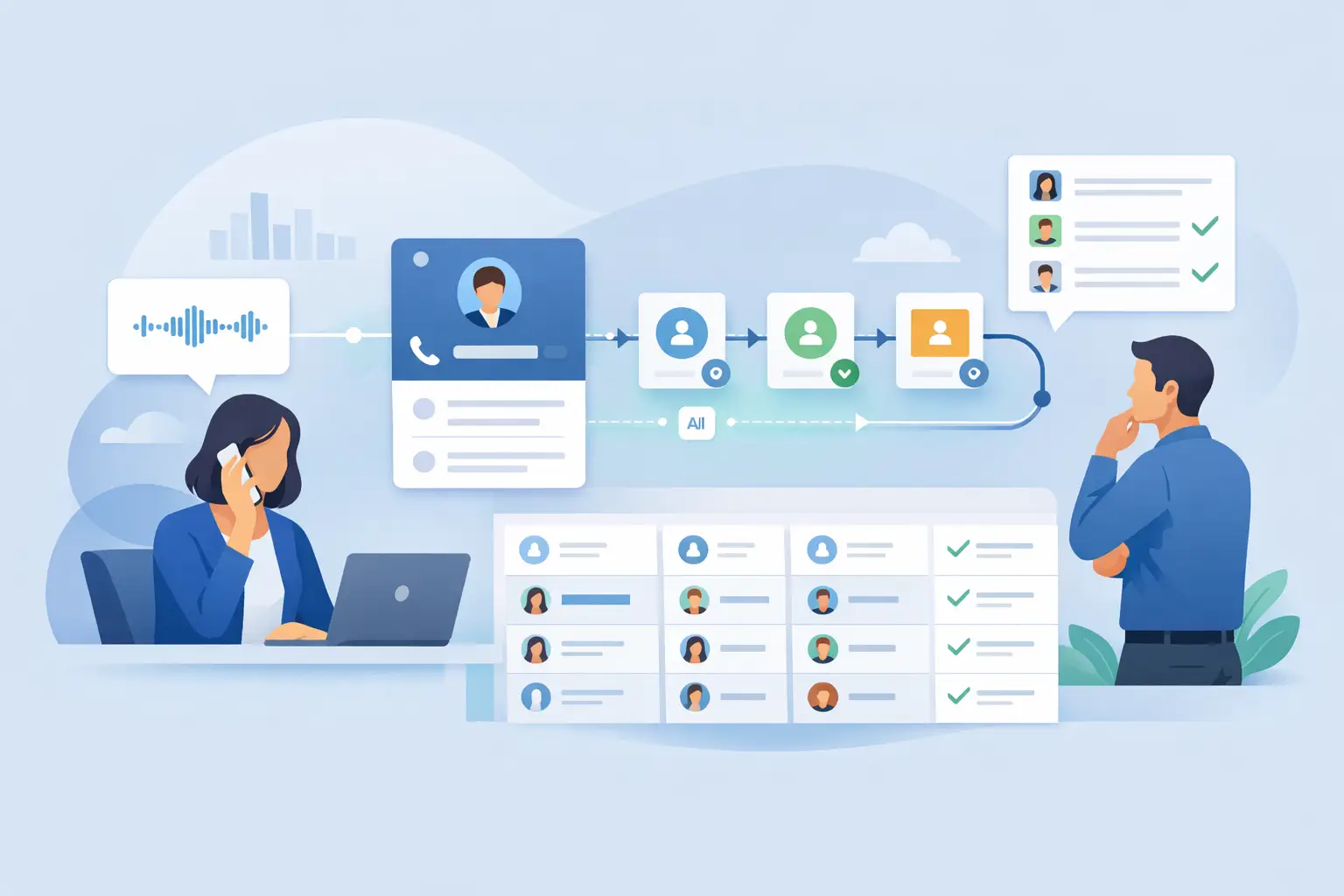
This is where structured AI voice workflows can help. Not because every dormant lead deserves a long conversation, but because every contact deserves a consistent first pass. A well-defined reactivation call can ask the right opening questions, confirm whether the lead still has interest, capture changes in timing or circumstances, and assign an outcome that the rest of the business can actually use.
The value is operational as much as commercial. Instead of vague CRM histories and guesswork, teams get transcripts, call outcomes, lead summaries, and reasons for non-progression. That makes the list easier to manage the next day, not just the minute after the call.
What good ai lead reactivation calls actually do
The best reactivation workflows are narrow, controlled, and outcome-driven. They do not try to force a conversion from every conversation. They identify where the lead sits now.
In practice, that usually means confirming who the person is, acknowledging the prior enquiry or interaction, checking whether the timing is still relevant, and qualifying whether a human follow-up is worthwhile. Sometimes the right result is a booked appointment. Sometimes it is a warm transfer or a request for a callback at a better time. Sometimes it is a clear "not interested" or "already sorted", which is still useful because the record stops floating around as false pipeline.
This matters in high-volume businesses where old enquiries build up quickly. Real estate teams, brokers, finance businesses, and appointment-led service providers often have hundreds or thousands of leads in mixed states. If no one can reliably work that list, the business loses two things at once: potential revenue and operational clarity.
Where teams get it wrong
A lot of disappointment with AI calling starts before the first call is made. The workflow is too generic, the script sounds detached from the original enquiry, or there is no clear definition of success. That creates poor conversations and even worse reporting.
The first mistake is treating reactivation as a broad "check in" campaign. That tends to produce weak calls and weak outputs. If you cannot define the lead source, likely reason for prior interest, and the outcome categories you need, the call logic is not ready.
The second mistake is removing too much control. Teams sometimes want automation because manual follow-up is messy, then recreate the same mess in a faster format. If the AI agent can call without structured capture fields, review rules, disposition logic, or do-not-contact controls, you have not improved the system. You have just accelerated ambiguity.
The third mistake is expecting reactivation to be fully hands-off. Some leads should go straight to a rep. Some calls need review. Some outcomes deserve a second pass with a different message or timing. Human oversight is not a weakness here. It is what makes the workflow commercially useful and safer to operate.
How to set up ai lead reactivation calls properly
The strongest approach starts with list quality. You need to know which leads are eligible for contact, where they came from, and what minimum context the agent can reference. If your database is full of duplicate records, missing notes, or unclear consent history, that should be addressed before scale becomes the goal.
Next comes the call design. Good reactivation scripts are short and context-aware. They should reference the prior enquiry or relationship in plain language, ask a small number of useful qualification questions, and move cleanly to an outcome. Long, meandering scripts are a poor fit for old leads because attention is lower and patience is thinner.
Then there is outcome design, which is where many systems fall over. "Spoke to lead" is not an outcome. Useful outcomes are things like qualified for callback, wants contact at another time, no current need, wrong number, requested no further contact, or needs human review. These are operational states, not just conversation labels.
Review rules also matter. Not every completed call should go straight into the CRM with no friction. Businesses need visibility into what was asked, what was captured, and which calls require a second set of eyes. A controlled setup lets managers spot poor fit leads, edge cases, ambiguous responses, and any conversation that should not trigger automatic next steps.
The trade-off: speed versus sensitivity
Reactivation can deliver fast coverage across a neglected lead base, but speed should not override context. A lead who enquired last week is different from one who submitted a form ten months ago. A seller lead is different from a buyer lead. A missed enquiry from a busy service business is different again.
That means the workflow should adapt to the list, not the other way around. Some businesses need one playbook for recent dormant leads and another for older contacts. Some need stricter review queues for higher-value opportunities. Some need the call to stop at qualification and leave all sales discussion to a human.
This is why controlled AI voice systems tend to outperform blank-prompt setups. The issue is not whether the model can talk. The issue is whether the business can predict what the agent will say, what it will capture, and what happens next.
What success looks like after the call
A reactivation program should make the pipeline cleaner within days. Managers should be able to see how many leads were contacted, how many connected, which outcomes were assigned, and which contacts need human action now. Reps should not have to listen to every recording just to understand what happened.
The best result is not merely "more calls made". It is a lead list that becomes usable again. That means clearer notes, better segmentation, fewer floating maybes, and more confidence about who deserves immediate follow-up.
This is where post-call structure matters just as much as the conversation itself. Transcripts, summaries, captured fields, review queues, and recommended next actions turn a voice interaction into an operational asset. Without that layer, reactivation calls create activity. With it, they create workflow.
For teams considering adoption, the practical question is not whether AI can ring old leads. It clearly can. The better question is whether your business has enough structure around lead status, call outcomes, review, and next actions to make those calls count. If the answer is yes, ai lead reactivation calls can turn ignored records into qualified opportunities and cleaner data at the same time.
Platforms such as DialoGrove are strongest when used in that controlled way - not as a black box, but as a practical calling workflow with clear guardrails and human oversight.
If you are sitting on a lead list that everyone means to revisit and no one quite gets to, the opportunity is probably not hidden in more effort. It is in a better system for deciding who to call, what to ask, what to capture, and what should happen next.