Structured Call Outcomes Software Explained
How structured call outcomes software turns every conversation into a usable result with defined outcomes, captured fields, and reliable next actions.
When a lead call ends with notes like "keen, call back next week" or "maybe not now", the problem is not effort. It is structure. Structured call outcomes software exists to make every conversation usable after the call, not just remembered by whoever picked up the phone.
For sales and service teams, that matters more than most software demos admit. A phone call can tell you whether someone is ready to book, whether they need a different service, whether they are not contactable, or whether they should go to a human rep straight away. But if those outcomes are not captured consistently, teams end up with patchy CRM records, slow follow-up, duplicated calling, and missed intent.
What structured call outcomes software actually does
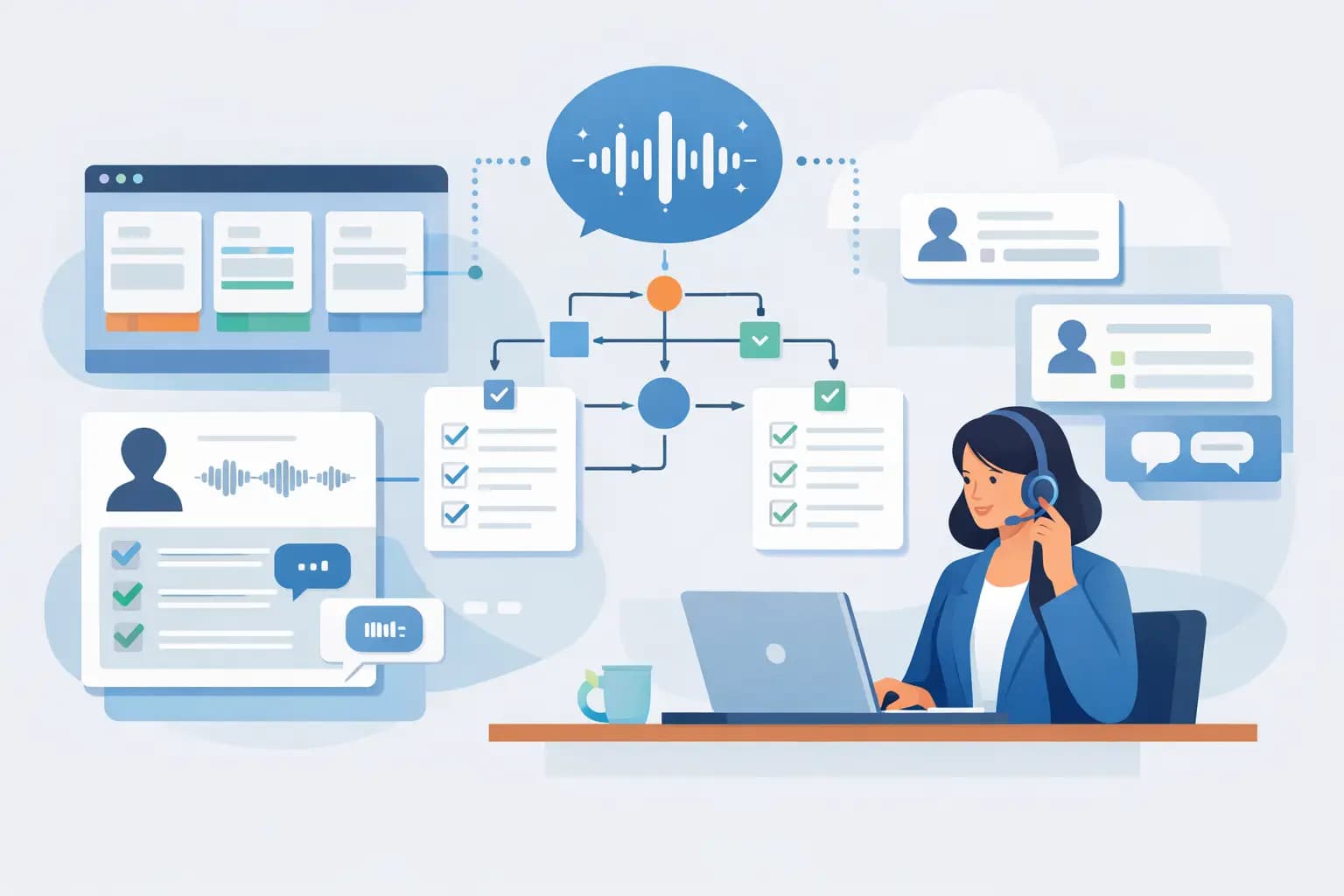
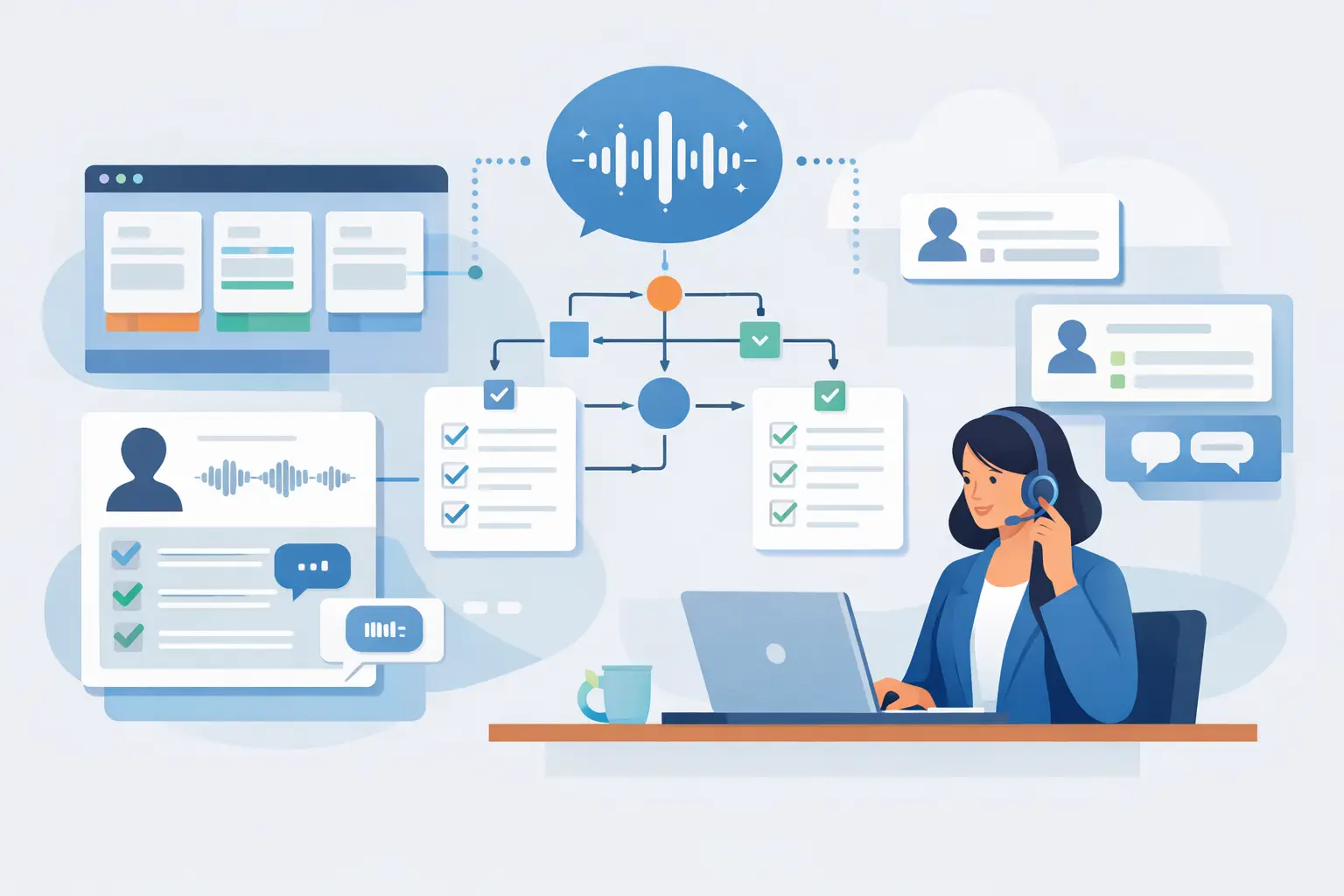
At its core, structured call outcomes software turns conversations into defined operational outputs. Instead of relying on free-text notes, it maps each call to a clear result. That result might be qualified and ready for booking, requested callback, wrong contact details, no longer interested, needs human review, or unreachable after a set number of attempts.
The difference sounds small until you look at workflow impact. Once outcomes are structured, the business can route leads properly, trigger the next task, update fields, prioritise review queues, and report on what is happening across the pipeline. The call stops being a one-off interaction and becomes part of a managed process.
Good systems also capture more than a final label. They record the transcript, call recording, extracted fields, lead summary, and relevant signals from the conversation. That gives managers and reps context, not just a status code.
Why unstructured calls create operational drag
Most teams do not have a calling problem. They have a consistency problem.
One rep writes detailed notes. Another logs two words. A third remembers to update the CRM the next day, if they get around to it. A manager looking at the pipeline sees activity, but not enough clarity to know which leads deserve action now.
This gets worse in lead-heavy businesses. Real estate teams, finance brokers, property businesses, and appointment-based services often deal with enquiries from website forms, old databases, referral sources, and ad campaigns at the same time. Calls happen fast, often under pressure. Without a defined outcome structure, follow-up quality depends too much on individual habits.
That creates familiar issues. Hot leads sit untouched because no one marked urgency properly. Recycled leads are contacted with no context. Buying signals get buried inside notes. Compliance-conscious teams struggle to review what was said and why an outcome was assigned. None of that is fixed by making more calls alone.
Structured call outcomes software in practice
The most useful platforms do not just transcribe a conversation and leave the rest to the team. They guide the call around a clear purpose.
If the workflow is seller qualification, the software should know which questions matter, what fields need to be captured, and which outcomes are possible. If the workflow is reactivation, the call should focus on current interest, timing, objections, and the right next action. If the workflow is appointment booking, the outputs should support confirmation, routing, and follow-up without manual cleanup afterwards.
This is where structure matters. A general AI prompt can produce a decent conversation, but decent is not enough when the business needs repeatable outcomes. Teams need to know what the agent asked, what it captured, how it decided the result, and when a human should step in.
That is why controlled workflows tend to outperform open-ended automation. They are easier to test, easier to audit, and easier to improve.
What to look for in structured call outcomes software
The right platform should feel operational, not experimental.
First, outcome design matters. You need the ability to define realistic call results that match your business process. If every conversation gets squeezed into vague labels like "interested" or "not interested", the software will not help much. Outcomes should reflect what the team actually does next.
Second, field capture matters just as much as the outcome itself. A useful call may confirm suburb, budget, timeframe, property type, loan stage, service need, preferred callback window, or whether the lead already spoke to someone. Those details should be captured in a structured way so they can be acted on later.
Third, reviewability is essential. Transcripts, recordings, summaries, and flagged moments give managers confidence that the workflow is working as intended. This is especially important when calls involve qualification, sensitive customer interactions, or handoff to human reps.
Fourth, the software should support guardrails. Teams need controls around do-not-contact handling, escalation paths, draft testing, and the situations where automation should stop and a person should take over. That is not a limitation. It is how phone automation becomes usable in a real business.
Where teams usually get this wrong
A common mistake is treating structured call outcomes software as a call volume tool. More calls can help, but volume without outcome design creates another mess to clean up.
Another mistake is building workflows that are too broad. If one call script tries to qualify, educate, overcome objections, book appointments, and recover dormant leads all at once, the outputs become muddy. Simpler use cases usually perform better. Start with a narrow journey, define the fields and outcomes clearly, and build from there.
There is also a trade-off between flexibility and control. Free-form conversations can sound more natural, but they are harder to measure and harder to route reliably. Highly structured calls improve consistency, but if they are too rigid, they can miss context or frustrate prospects. The best setup usually sits in the middle - guided enough to produce clean outputs, flexible enough to respond sensibly.
Structured call outcomes software and human oversight
The point of structured outcomes is not to remove people from the process. It is to make human effort more useful.
When routine qualification, follow-up, or reactivation calls produce clean outcomes, teams can spend more time on the leads that need judgement. Reps can step into calls where buying intent is clear. Managers can review edge cases instead of chasing vague notes. Operations teams can see whether enquiry handling is improving or falling behind.
This is where platforms like DialoGrove are strongest when implemented well. The value is not a black-box agent making calls in the background. The value is a controlled workflow that captures what matters, assigns a usable outcome, and gives the business visibility into what happens next.
That distinction matters because trust in automation depends on transparency. If a team cannot explain why a lead was marked qualified, why a callback was scheduled, or why a conversation needs review, the workflow will not hold up internally.
How to assess whether your business needs it
If your team already follows up every lead quickly, logs consistent notes, captures qualification fields cleanly, and always knows the next action after a call, you may not need dedicated structured call outcomes software yet.
Most businesses are not in that position.
You are more likely to benefit if leads come in from multiple sources, response times vary by rep or time of day, old databases are underworked, or post-call admin slows the team down. It is also worth looking at if managers regularly ask basic questions like which leads are actually qualified, why some contacts were not progressed, or what happened on the last call.
The strongest use cases tend to be high-volume but repeatable. Think inbound enquiry follow-up, reactivation of older leads, appointment qualification, and routine service callbacks where the business needs the same core data every time. In those cases, structure is not bureaucracy. It is what makes speed sustainable.
The real benefit is cleaner next actions
The best measure of structured call outcomes software is not whether the conversation sounded clever. It is whether the business knows what to do next.
Can the lead be routed immediately? Does a human need to review the call? Was an appointment requested? Were key fields captured properly? Has the contact asked not to be called again? Is there enough context for the next rep to continue without starting from scratch?
Those are practical questions. They affect conversion, service quality, and team workload every day. When the software answers them clearly, phone calls stop being loose activity and start becoming dependable operational inputs.
For the broader diagnostic on where lead workflows break, see our guide to the top lead follow-up workflow mistakes.
For the complete booking workflow from qualification to handoff, see our guide to automating appointment booking well.
If your pipeline still relies on memory, uneven notes, and best guesses after each call, that is usually the sign to add structure before adding more volume.