Speed to Lead Automation That Stays in Control
How speed to lead automation closes the gap between enquiry and action with structured outreach, consistent qualification, and visible operational controls.
The lead comes in at 4:47 pm. Your rep is on another call, someone else has already clocked off, and by 5:15 the prospect has filled in two more forms elsewhere. That gap is where deals disappear. Speed to lead automation exists to close it, but not every version of it is worth trusting.
For phone-based sales and service teams, the real issue is rarely just speed. It is speed with structure. If a lead gets called quickly but the conversation is inconsistent, the notes are vague, and nobody knows the next action, the process is still leaking revenue. Fast follow-up only matters when it leads to a clear outcome.
What speed to lead automation should actually do
A lot of businesses hear the phrase and think of instant outreach. That is only part of the job. Good speed to lead automation should trigger contact quickly, guide a consistent conversation, capture the right fields, identify buying signals, and route the lead into the next sensible step.
That might mean booking an appointment, flagging a hot prospect for a senior rep, marking someone for follow-up later, or sending the record into a review queue because the call raised questions. The value is not just that a call happened. The value is that the business now knows what happened and what should happen next.
This is where many manual processes fall apart. One team member asks solid qualification questions, another skips half of them, and a third leaves a CRM note that says only "good chat, call back next week". By the time a manager checks the pipeline, there is very little to work with. Automation should reduce that inconsistency, not create more of it.
Why speed alone is not enough
There is a common mistake in lead follow-up operations: treating response time as the whole metric. It matters, and it matters a lot, but it is not enough on its own.
A rushed first call can still waste a good lead if the workflow is poorly designed. If the caller does not confirm intent, ask the right qualifying questions, or capture usable details, the team ends up with activity rather than progress. That is why speed to lead automation works best when it is tied to a defined playbook rather than a generic prompt or open-ended script.
For example, a property enquiry and a reactivation campaign should not sound the same or produce the same outputs. One may need quick triage and appointment booking. The other may need a softer re-engagement approach, better timing data, and notes about motivation. The workflow needs to match the journey.
Where teams usually lose leads
Most businesses do not lose leads because nobody cares. They lose them because the operational setup makes timely, consistent follow-up hard.
Inbound forms arrive in bursts. Reps prioritise the hottest-looking names. Old database leads sit untouched because there is always something more urgent. Managers assume follow-up is happening, but the CRM is patchy and the call outcomes are too loose to trust. Even teams with decent volume discipline often struggle after hours, on weekends, or during busy periods.
That is why speed to lead automation has become more relevant. It gives teams a way to respond faster without relying on every rep to be instantly available and perfectly consistent. But there is a trade-off. The faster you automate, the more important control becomes.
Speed to lead automation needs guardrails
This is the part many vendors skip past. If an automated calling workflow is opaque, hard to review, or disconnected from your existing process, it creates a new set of risks.
Sales leaders need to know what the agent is going to ask. Operations teams need to know what fields are being captured and how outcomes are assigned. Managers need review points for edge cases, failed calls, unclear answers, and conversations that should be handled by a human next. If those controls are missing, you may get more activity but less confidence.
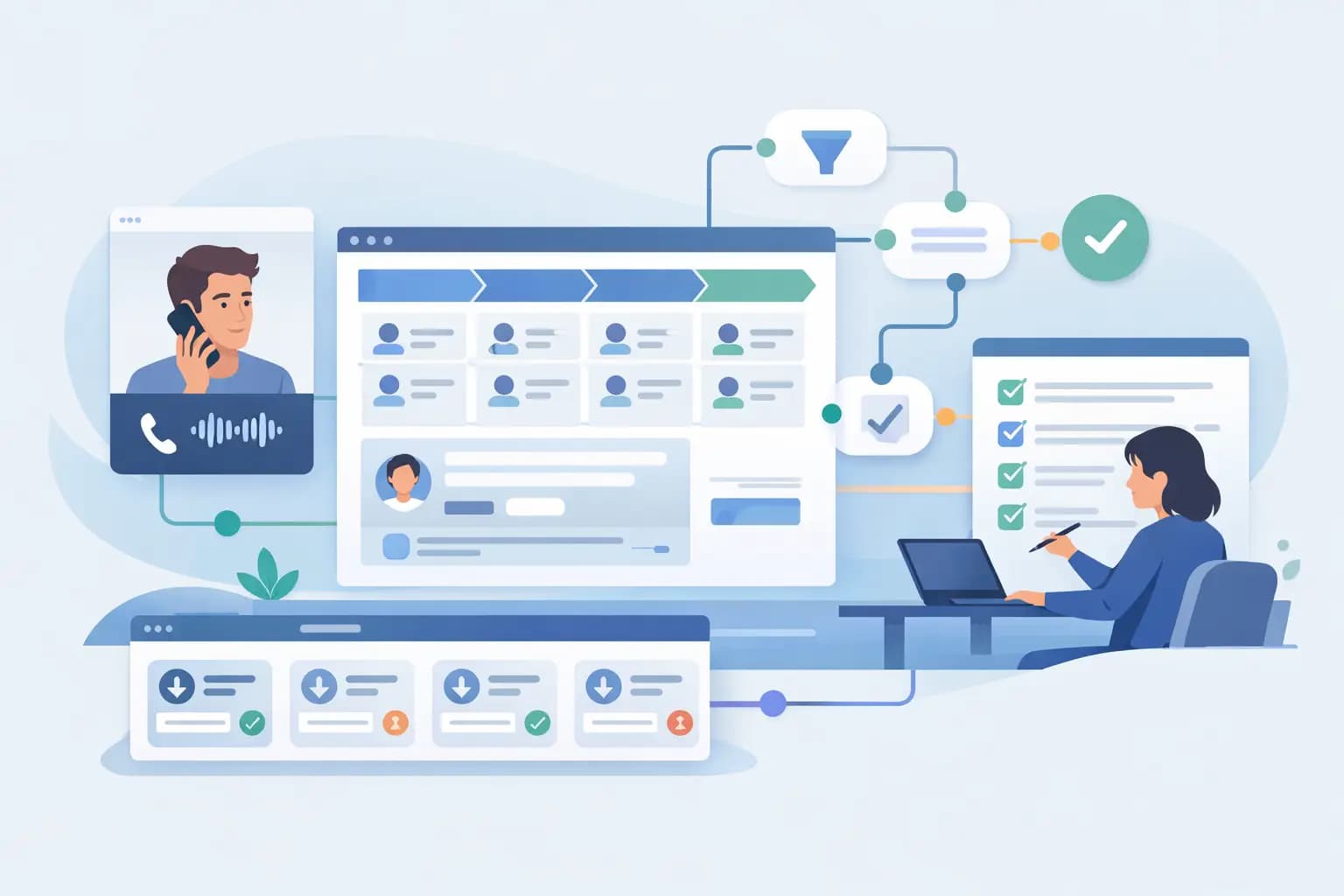
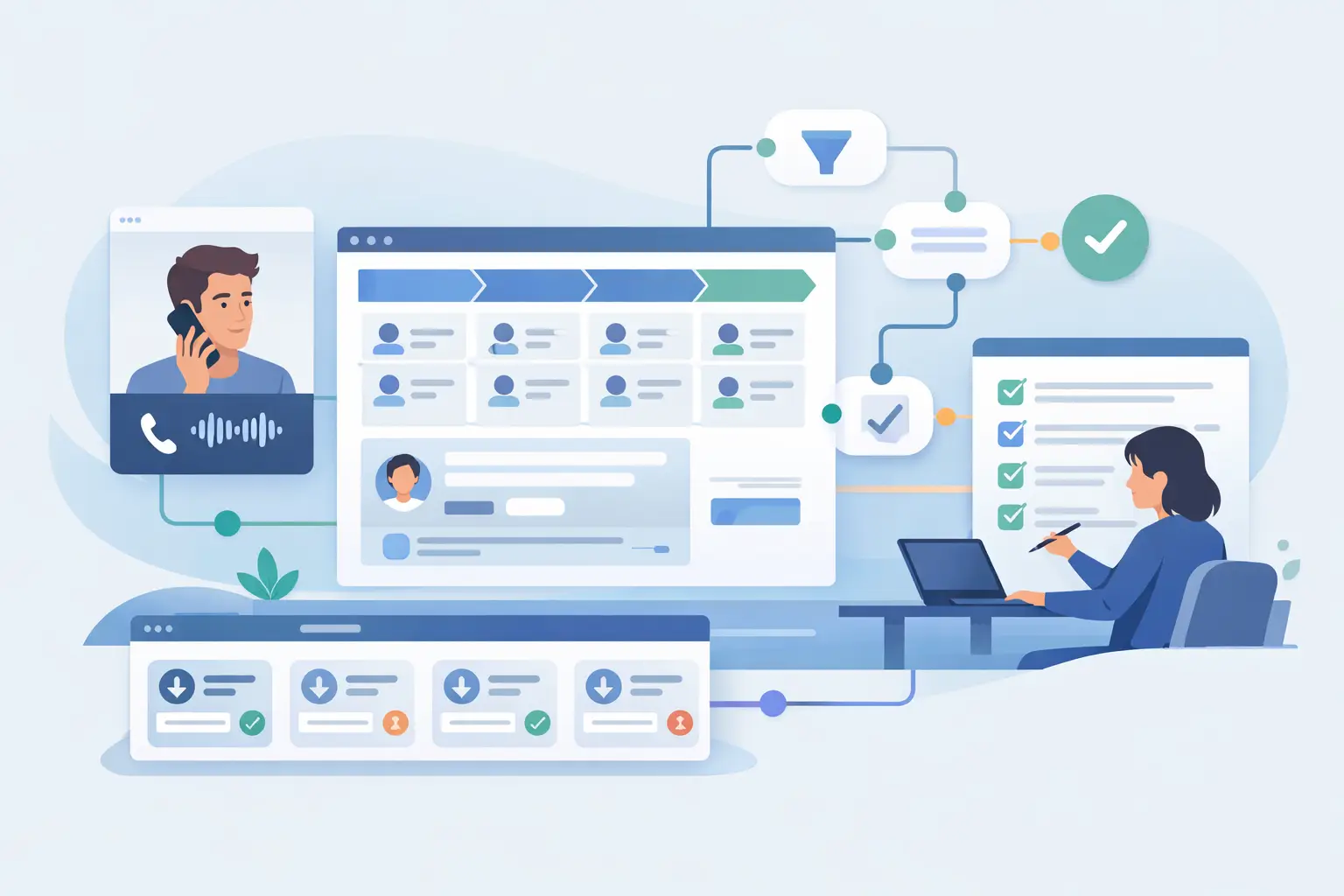
The safer and more useful model is controlled automation. That means the workflow is visible, the questions are deliberate, the routing logic is clear, and there is an audit trail after each call. Transcripts, summaries, dispositions, captured fields, and recommended next actions are not nice extras. They are what make the process operationally usable.
A platform like DialoGrove fits this approach because it is built around structured calling workflows rather than blank-slate AI. That matters when you need follow-up to be fast, repeatable, and reviewable.
How to use speed to lead automation well
The best implementations usually start with one narrow use case, not every lead path at once. A good first step might be inbound web enquiries, stale lead reactivation, or post-enquiry qualification where phone contact is important and delays are already costing you.
From there, define what a useful call outcome looks like. Not "call completed", but practical outcomes such as qualified for booking, not reachable, wrong timing, not interested, or needs human review. When those outcomes are clear, automation becomes easier to trust because it is tied to business decisions rather than vague activity metrics.
The call flow also needs discipline. What should always be asked? What information should be captured every time? When should the lead be routed to a person? What should happen if the answer is unclear or the prospect asks something outside scope? These questions matter more than the novelty of the AI.
Testing matters too. Before going live at scale, businesses should review scripts, run draft calls, listen to outputs, and check whether the captured information is actually useful to sales or service teams. A workflow that sounds acceptable in theory may still produce poor notes or confusing dispositions in practice.
The operational gains are broader than first contact
One of the more overlooked benefits of speed to lead automation is what happens after the call. If the system captures structured outcomes properly, the whole pipeline becomes easier to manage.
Managers can see which leads were contacted quickly, which were qualified, which need review, and which deserve immediate human attention. Reps spend less time deciphering weak notes and more time working leads that have already been triaged. Operations teams get cleaner data for routing, reporting, and follow-up sequencing.
This is especially useful in businesses with mixed lead quality. Not every enquiry deserves the same effort at the same moment. Some need rapid booking. Some need nurturing. Some need to be parked cleanly. If every conversation ends in a standardised output, your team can act with more confidence and less guesswork.
There is also a customer experience angle here. Prospects generally notice when follow-up is prompt and coherent. They also notice when they have to repeat themselves because the first interaction did not capture anything useful. Fast response is good. Fast response with context is better.
What to watch before you automate
Not every business is ready on day one. If your lead sources are messy, ownership rules are unclear, or nobody agrees on qualification criteria, automation will expose those problems quickly. That is not necessarily bad, but it does mean rollout should be thoughtful.
It also depends on your sales motion. Higher-consideration purchases often benefit from an early qualification call, but the workflow should respect the complexity of the buying decision. A rigid script can hurt where nuance is needed. On the other hand, too much flexibility makes results hard to compare and act on. The right balance is usually a structured framework with room for human review where needed.
Compliance-conscious teams should also think carefully about consent, contact rules, suppression logic, and review processes. Automation should support good operational discipline, not bypass it.
The better question to ask
Instead of asking whether automation can call leads faster, ask whether it can help your team respond quickly and still keep control of the customer journey. That is the standard that matters.
The businesses getting real value from speed to lead automation are not chasing novelty. They are fixing a practical gap between enquiry and action. They want calls to happen sooner, qualification to be more consistent, notes to be usable, and next steps to be obvious.
For a deeper guide to keeping outreach within operational guardrails, see our guide to compliant AI lead outreach.
For the full end-to-end diagnostic on where lead follow-up workflows typically break, see our guide to the top lead follow-up workflow mistakes.
For the operational workflow redesign that makes faster contact stick, see our guide to improving speed to contact.
If that sounds familiar, the opportunity is not to remove humans from the process. It is to make sure your team spends its time where judgement matters most, while the first layer of follow-up happens faster, more consistently, and with a clearer operational trail.