Voice AI basicsLearn8 min read
What Makes a Good AI Voice Agent?
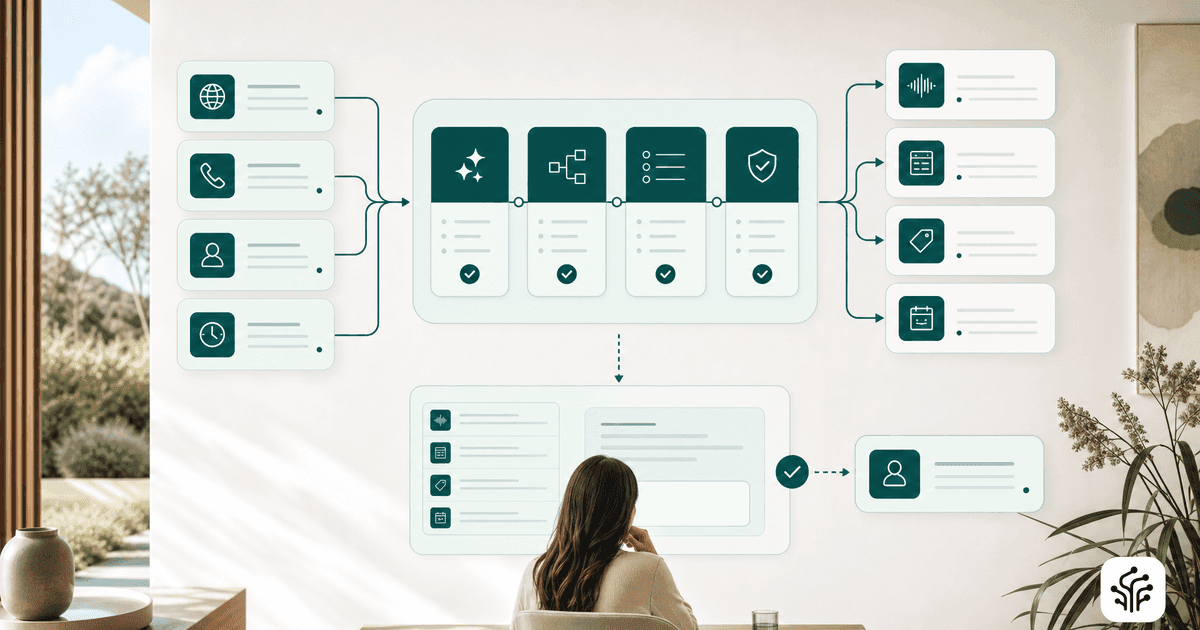
A practical guide to designing AI voice agents with clear jobs, guardrails, structured outputs, realtime actions, and post-call workflows.
PlaybooksGuardrailsStructured workflows
Blog
11 articles
A practical guide to designing AI voice agents with clear jobs, guardrails, structured outputs, realtime actions, and post-call workflows.
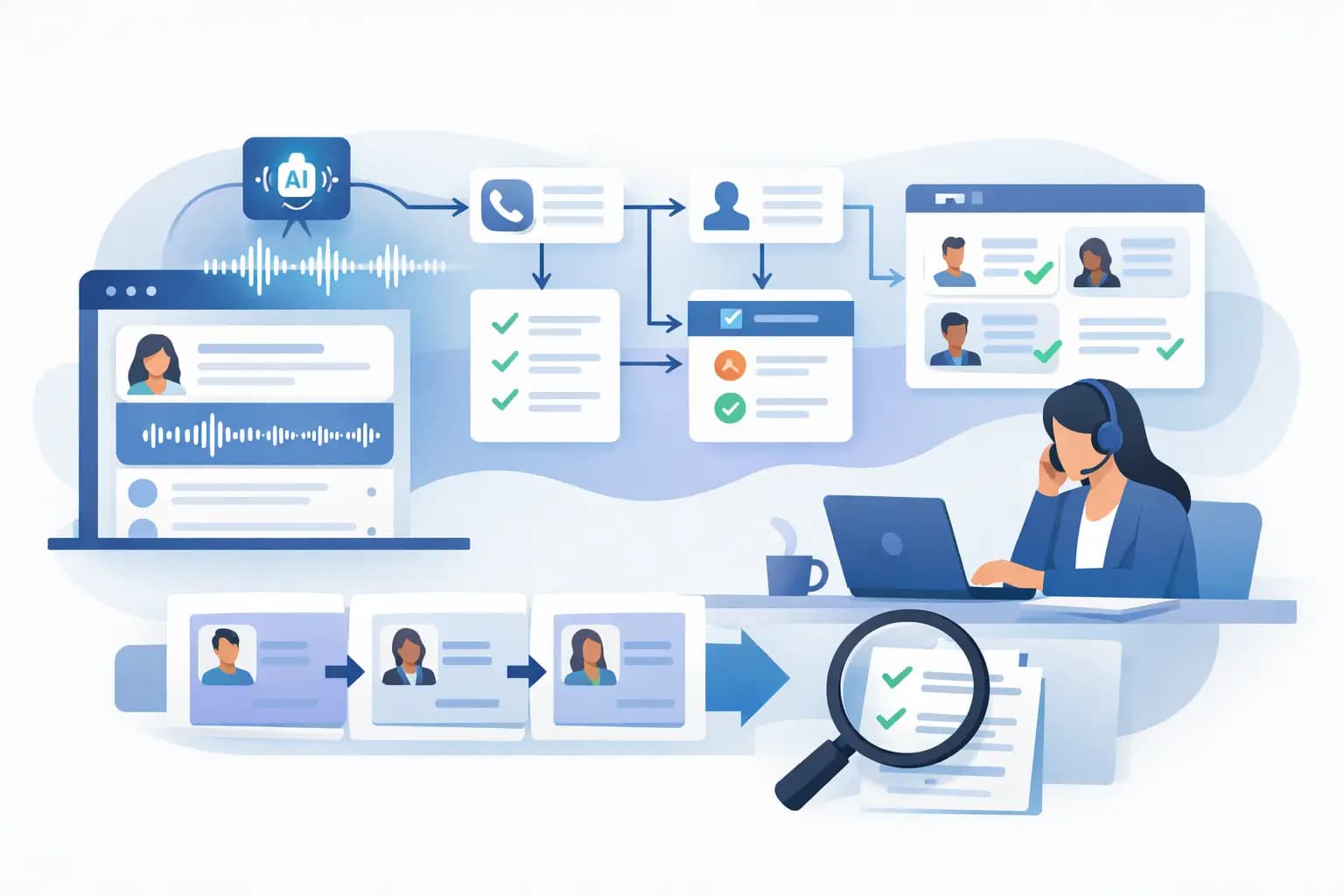
How an auditable AI call workflow gives your team a clear record of what the agent was meant to do, what happened on the call, and what happened next.
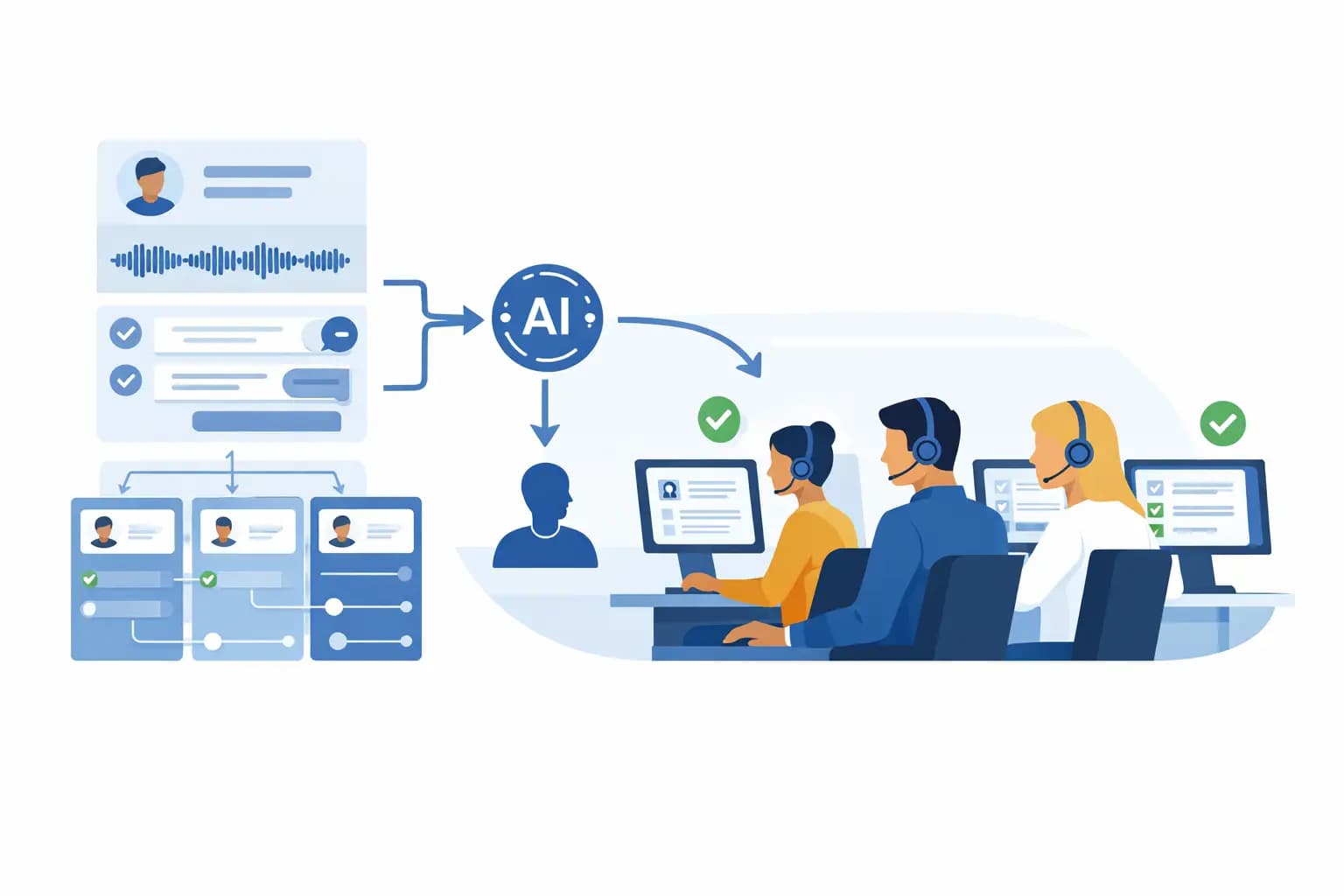
How a human review queue for AI calls improves quality, control and follow-up with clear triggers, workflows and safer lead handling.
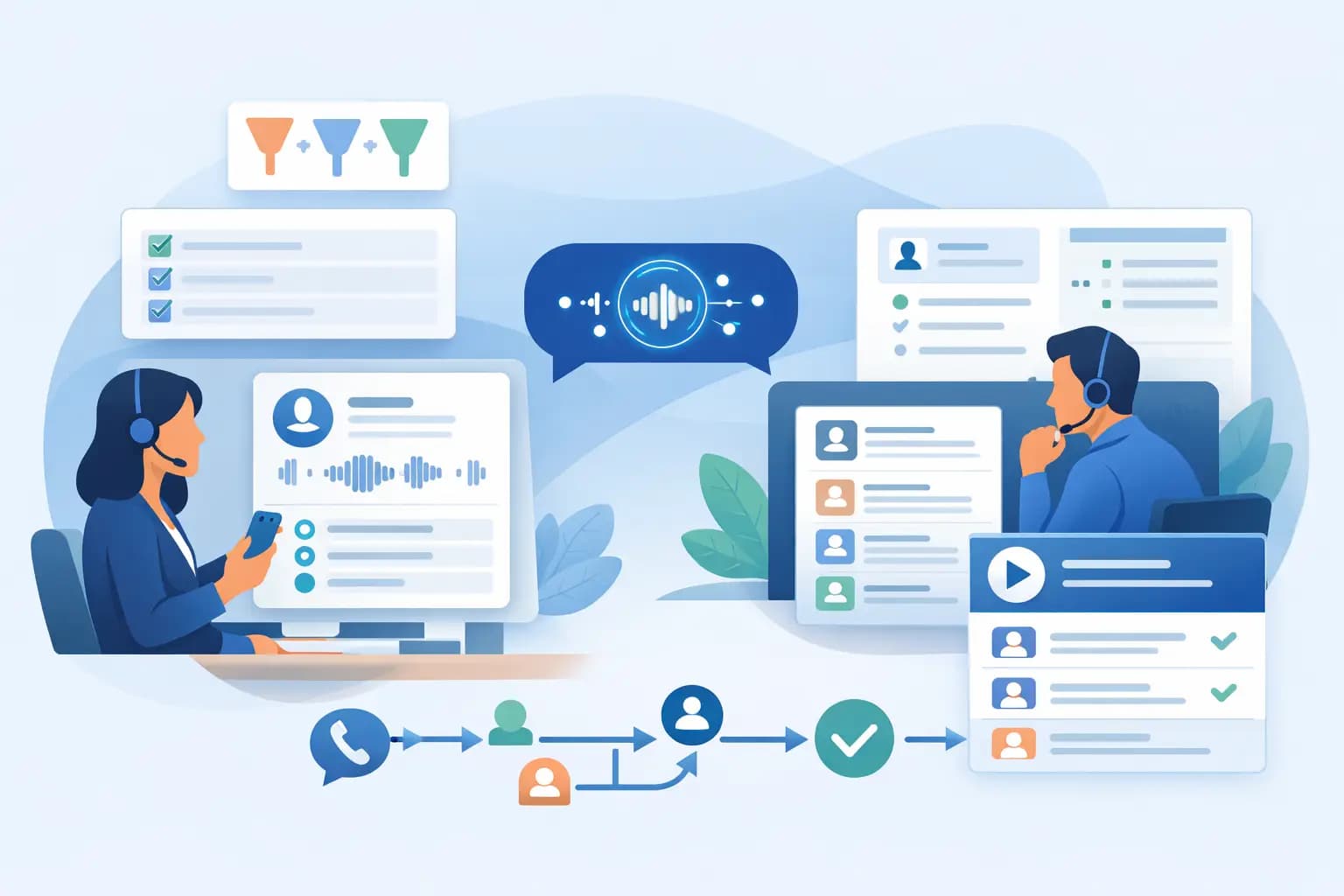
How draft mode AI calling gives teams a safe environment to test workflows, inspect outputs, and review edge cases before any live call.

How conversation routing directs phone calls to the right path based on intent, context, and workflow state for better follow-up and handoffs.

Vapi, Sierra and Dograh give you voice infrastructure. DialoGrove gives you production-ready playbooks with guardrails, structured outputs, review queues and analytics — built with domain experts, not prompt engineers.

Inbound vs outbound. Selling vs enquiring. Resolving vs treating. Every use case needs a different voice. Here is how DialoGrove tests and selects the right default voice for each playbook.

A founder's view on choosing LLMs for voice agents — latency, reasoning depth, cascaded vs speech-to-speech, and why model choice is a workflow decision, not a leaderboard decision.

A practical look at 8 categories of AI tools for phone lead follow-up — voice agents, diallers, conversation intelligence, CRMs, and more. How to choose based on your actual workflow, not the demo.

Learn how to build compliant AI lead outreach with clear contact rules, structured playbooks, reviewable outcomes and faster lead follow-up.
A practical guide to AI calling in Australia, covering suitable use cases, workflow design, reviewability, compliance-conscious deployment and how to evaluate platforms.